


Is it possible to apply a decorative coating over fire retardant treatment?!


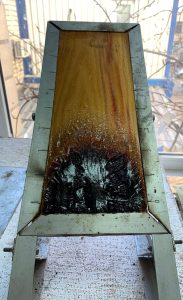 🔶The main rule for effective wood protection is to choose products from the same manufacturer. In this case, good adhesion between materials is more likely, as manufacturers typically test their own product combinations for compatibility.
When it comes to fire retardant treatments for wood, the situation becomes more complicated. There are very few comprehensive solutions where a manufacturer offers a full system of coatings (fire retardant, protective impregnations and primers, and a final decorative finish).
However, there are some recommendations regarding the use of various types of paints and varnishes:
☝️First, it is necessary to determine the base of the fire retardant: salt-based, alkaline, or acidic.
😎Let’s look at each in detail!
📍 Salt-based treatments clog the pores of the wood, preventing paint or varnish from penetrating. Also, using water-based finishes over cheap salt-based fire retardants can cause salt stains, which greatly spoil the appearance and reduce the service life.
📍 Alkaline fire retardants give the wood water-repellent properties and significantly reduce adhesion. To achieve decorative results, film-forming materials with an organic base are recommended for alkaline coatings.
📍 The same recommendations apply to acid-based fire retardants, which, by the way, are becoming increasingly popular.
☝️Secondly, in all cases, it is strongly recommended to perform a test application if possible. Always consult the technical specifications and manufacturer’s guidelines for each product.